What is Kumite?
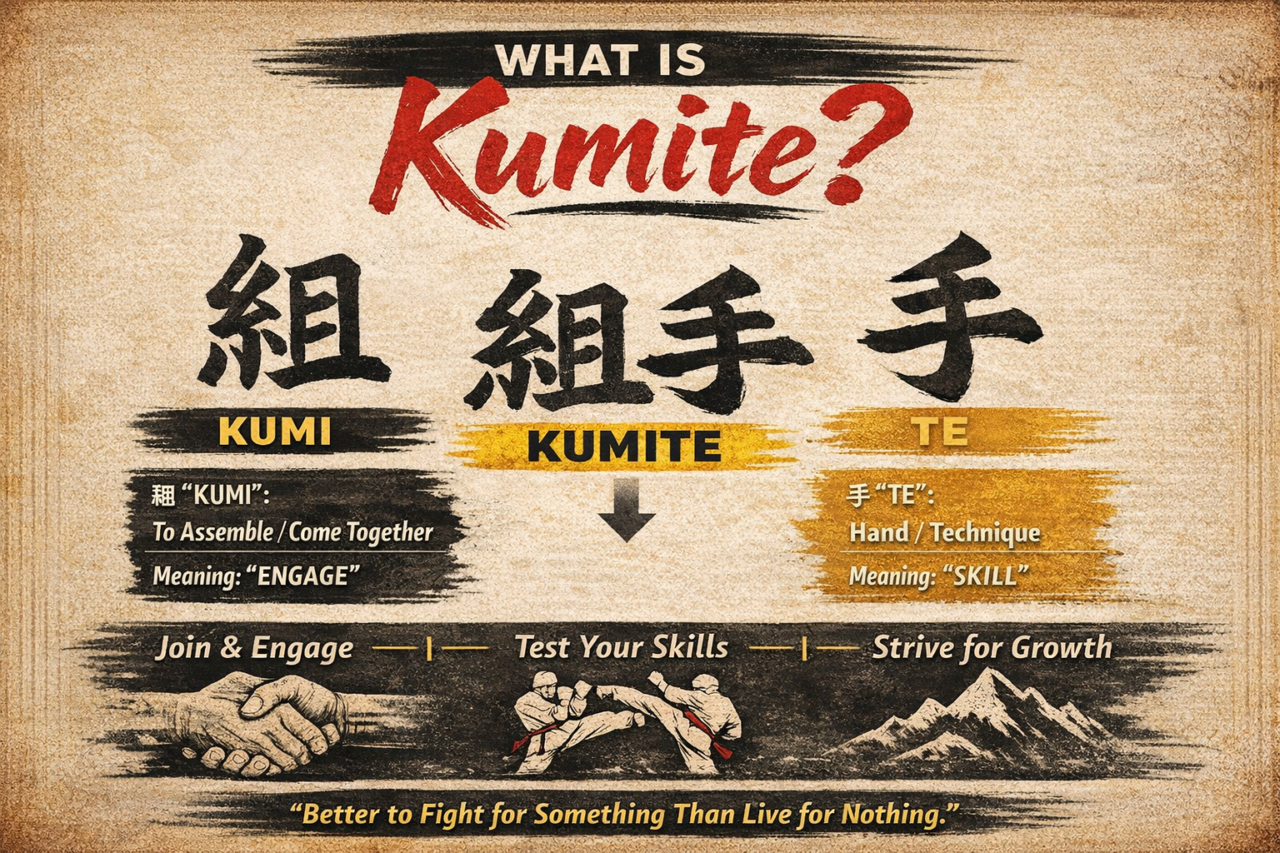
In karate terms, Kumite (組手) literally means “grappling hands” or “meeting of hands.” In martial arts, especially karate, it refers to sparring, where practitioners apply techniques against a live opponent rather than rehearsing forms (kata). So, people often ask me why I named my company Kumite Classic, and the answer goes much deeper than martial arts.
For me, kumite is not just about sparring. It represents the idea of stepping forward, facing challenges head-on, and testing yourself when it matters most. It is a mindset. It is about engaging in the fight, not avoiding it.
The name Kumite Classic is really a play on words. Yes, it reflects the tradition of martial arts combat, but more importantly, it symbolizes something bigger. It is about choosing to “fight” for what you want to achieve in life.
I have always believed that nothing worthwhile comes easy. Whether in the dojo, in business, or in life, there are obstacles, setbacks, and moments that test your resolve. Kumite teaches you that you cannot stand still. You have to move, adapt, and respond. You have to engage.
That is where our motto comes from:
Better to fight for something than live for nothing.
That phrase defines everything we stand for.
組手 (Kumite)
When combined, it can be interpreted as:
-
“Meeting of hands”
-
“Engaging hands”
-
“Coming together to interact through technique”
But philosophically, it means much more.
It represents:
-
Interaction between individuals
-
Testing skill in real time
-
Mutual growth through challenge
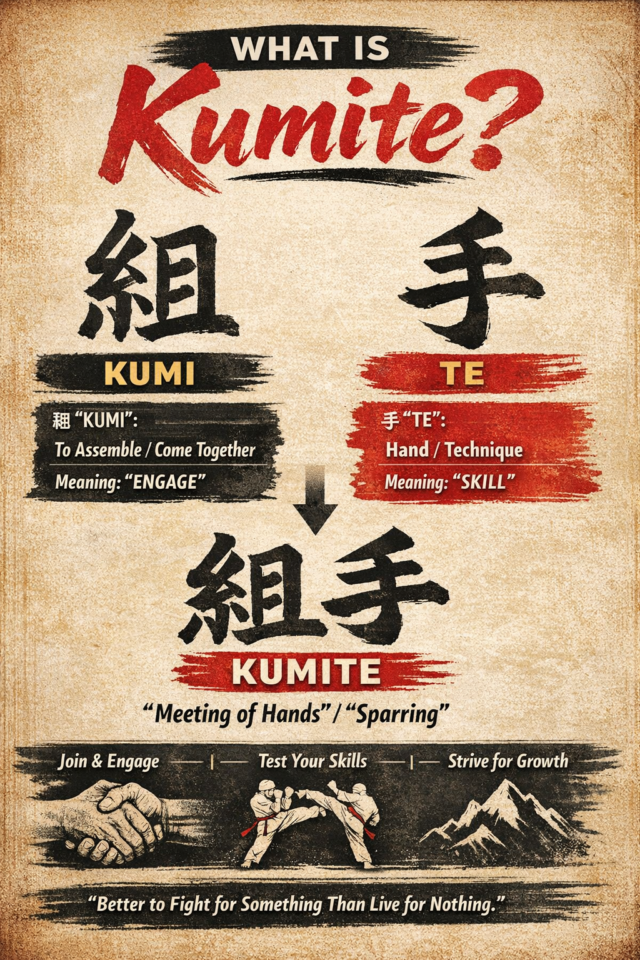
The Kanji for Kumite: 組手
The word Kumite (組手) is made up of two Japanese kanji characters. Each one carries its own meaning, and together they form a deeper philosophy that goes far beyond simple sparring.
| Kanji | Pronunciation | Meaning | Deeper Interpretation |
|---|---|---|---|
| 組 | Kumi | To assemble, group, or come together | Bringing people together, engaging, interacting |
| 手 | Te | Hand | Technique, skill, action, or method |

Bill Viola says, “To me, it means having purpose. It means setting goals and refusing to back down when things get hard. It means embracing the struggle, because the struggle is what shapes you.
Kumite is not about being reckless or aggressive. It is about controlled intensity, discipline, and heart. It is about knowing when to strike, when to defend, and when to push forward despite fear or doubt.
That philosophy carries over into everything we do at my company. The event is not just about winning matches. It is about showcasing fighters who embody that spirit. People who have put in the work, faced adversity, and continue to push themselves to be better.”
When someone steps onto the mat or into the ring , they are not just competing. They are making a statement. They are saying they are willing to fight for their goals, their dreams, and their future.
And that applies to everyone, not just fighters.
You do not have to be a martial artist to live the 組手 mindset. Everyone has their own version of a fight. It might be building a career, overcoming personal challenges, or striving to be the best version of yourself.
It is a call to action.
Step up. Face the challenge. Fight for something meaningful.
Because in the end, I truly believe it is better to fight for something than to live for nothing.
A Complete Guide to Karate Sparring
Kumite (組手) is the sparring component of karate where practitioners apply techniques against a live opponent. Unlike kata, which focuses on prearranged forms, kumite develops real-time fighting skills such as timing, distance, and strategy. For anyone searching “what is kumite in karate” or “karate sparring explained,” kumite is the bridge between training and actual combat application.
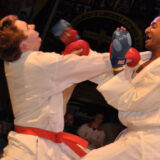
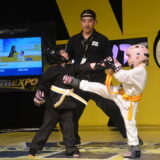
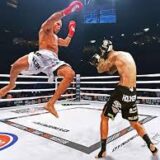
Why Kumite is Essential in Martial Arts Training
Kumite is critical for developing complete martial artists. It teaches:
-
Timing and distance (maai) controlling when and where to strike
-
Speed and reflexes reacting instantly under pressure
-
Control and precision executing clean, effective techniques
-
Fight strategy reading opponents and setting traps
-
Mental toughness staying composed in high-pressure situations
These elements make kumite one of the most important aspects of karate and combat sports training.
Structured Sparring
-
Gohon five-step sparring
-
Sanbon three-step sparring
-
Ippon one-step sparring
These drills build fundamentals like stance, timing, and defensive awareness.
Free Sparring (Jiyu Kumite)
-
Open, continuous sparring
-
Adaptive and unpredictable exchanges
-
Focus on creativity and real-time decision making
Sport (Tournament Fighting)
-
Point-based scoring systems
-
Emphasis on clean, controlled techniques
-
Judged on timing, distance, form, and awareness
This is the format most commonly seen in karate competitions and championships worldwide.
Scoring and Strategy
Kumite competition rewards skill, not just contact. Fighters score points through:
-
Ippon decisive technique
-
Waza-ari strong scoring technique
-
Yuko quick, effective strike
Success in kumite comes from precision, timing, and control rather than brute force. Fighters must balance offense and defense while maintaining awareness at all times.
The Evolution into Modern Combat Sports – Gigo Funakoshi
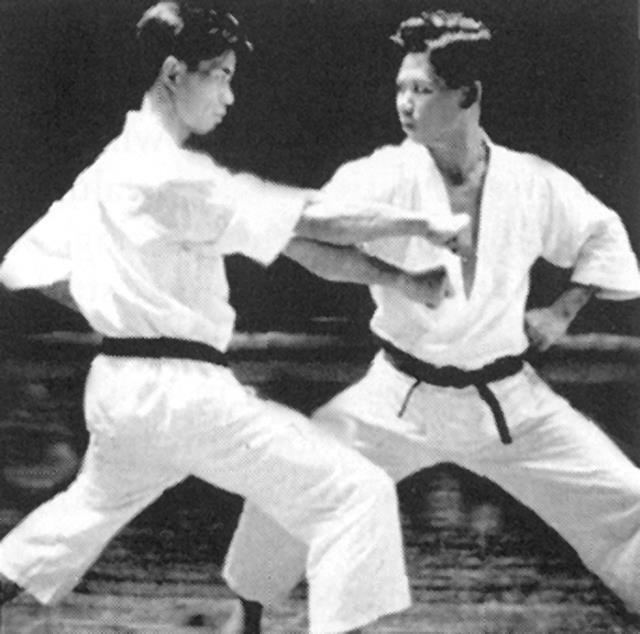
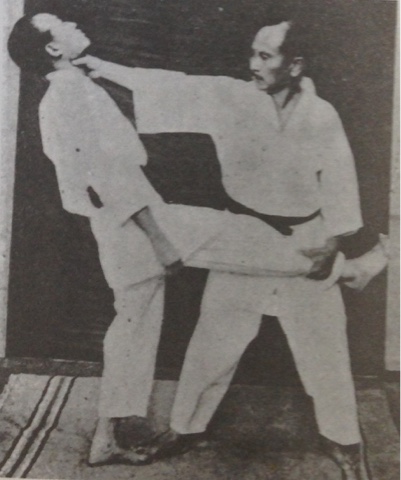
Kumite has evolved significantly over time, influencing multiple fighting systems:
-
Open Sport Karate fast-paced, point fighting
-
WKF / WUKO Olympic style point fighting
-
JKA old school kumite
-
Full Contact Karate power-driven competition
-
Kickboxing blending Western boxing with karate techniques
This evolution played a major role in shaping American kickboxing and modern martial arts tournaments.
When people talk about modern karate sparring, they often overlook one of the most important figures behind it: Gigo Funakoshi, the son of Gichin Funakoshi.
While his father introduced karate to mainland Japan, Gigo transformed how it was practiced, especially when it came to kumite.
Kendo’s Impact on Gigo Funakoshi
While his father, Gichin Funakoshi, focused on traditional Okinawan karate emphasizing kata and self-discipline, Gigo studied and incorporated elements from Japanese martial arts like kendo:
-
Distance (maai):
Kendo teaches precise measurement of the space between opponents. Gigo adapted this to karate sparring, emphasizing proper engagement distance so attacks land effectively without overcommitting. -
Timing (hyoshi):
In kendo, strikes must be timed perfectly for both speed and impact. Gigo brought this to kumite, teaching students to wait for the exact moment to strike rather than attacking prematurely. -
Footwork and movement:
Kendo footwork focuses on quick advances and retreats with balance and stability. Gigo’s deep stances, sliding steps, and controlled pivots in kumite reflect this. -
Spirit and intensity (kiai):
Kendo emphasizes a strong fighting spirit, including shouts (kiai) to unify body and mind. Gigo integrated this psychological and energetic aspect into sparring.What Gigo Adopted in Karate Sparring:
-
Straight-line attacks: Like kendo’s strikes, Gigo emphasized direct, linear attacks for maximum efficiency.
-
Controlled power: In kendo, force is delivered decisively but safely. Gigo brought controlled, precise strikes into free sparring.
-
Blending offense and defense: Kendo teaches simultaneous awareness of attack and defense, which influenced counterattacks and timing in kumite.
-
1. From No Sparring to Real Fighting Application
Early Okinawan karate placed heavy emphasis on kata, with limited free sparring. Training was controlled, and full-speed engagement was rare.
Gigo Funakoshi changed that.
He pushed karate toward:
-
Jiyu Kumite (free sparring)
-
Real-time exchanges instead of prearranged drills
-
Practical application of techniques under pressure
This shift laid the groundwork for what we now recognize as modern sport karate sparring.
2. Introduction of Distance and Timing (Maai)
One of Gigo’s biggest contributions was refining fighting distance.
He emphasized:
-
Long-range engagement
-
Explosive entry and exit
-
Striking at the exact moment of opportunity
This created the foundation for:
-
Point fighting strategies
-
Hit-and-move tactics
-
Counter-fighting systems
These concepts are still central in today’s kumite and even kickboxing.
3. Deeper Stances, More Dynamic Movement
Gigo introduced:
-
Lower, longer stances like deep front stance (zenkutsu dachi)
-
Strong hip rotation for power
-
Linear and angular movement
Why it mattered for sparring:
-
Increased reach and stability
-
More powerful attacks
-
Better control of distance
Modern fighters still rely on these mechanics every time they step into a ring or onto a mat.
4. Expansion of Kicking Techniques
Before Gigo, karate relied more heavily on hand techniques.
He helped popularize:
-
High kicks (jodan geri)
-
Dynamic leg techniques
-
Faster kicking combinations
This evolution directly influenced:
-
Sport karate scoring techniques
-
Kickboxing striking systems
-
Flashier, more dynamic competition styles
5. The Birth of Modern Kumite Philosophy
Funakoshi helped redefine kumite as:
-
A testing ground for skill
-
A controlled but realistic exchange
-
A balance of speed, precision, and intent
He moved karate away from rigid tradition and toward functional performance.
6. His Influence on Today’s Competition
Modern kumite, from local tournaments to elite events, still reflects his innovations:
-
Fast, explosive exchanges
-
Emphasis on timing over brute force
-
Strategic distance management
-
Clean, decisive scoring techniques
These are the same principles showcased in events like the Kumite Classic.
Kumite Classic: Where Tradition Meets Elite Competition