Pittsburgh Kickboxing
WAKO and the Rise of Modern Kickboxing
WAKO — the World Association of Kickboxing Organizations — is the world’s largest and most influential kickboxing governing body. Founded in 1976, WAKO standardized rules, weight classes, safety protocols, and judging criteria across multiple styles including point fighting, light contact, full contact, K-1, and low kick.
Over the decades, WAKO evolved from a fragmented international circuit into a truly global federation, now recognized by:
-
The International Olympic Committee (IOC)
-
National governing bodies across more than 130 countries
WAKO’s structure helped legitimize kickboxing as a serious sport — one that could exist alongside boxing, wrestling, and judo on the world stage.
Bill Viola Jr.: From Legacy to Leadership
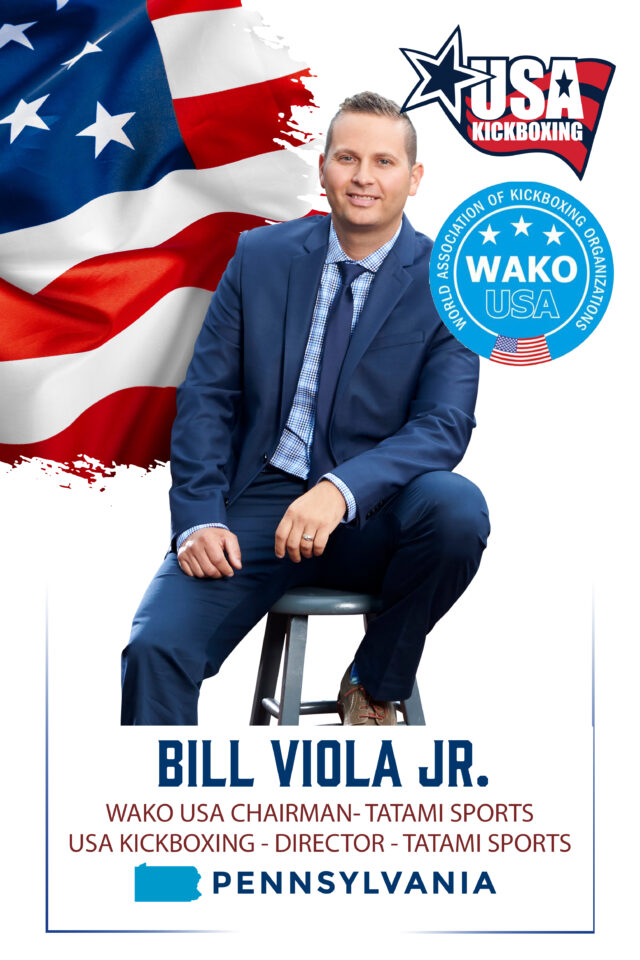
Bill Viola Jr. grew up immersed in martial arts history. As the son of Bill Viola Sr., a pioneer of American full-contact karate and early MMA, Viola Jr. inherited both tradition and innovation.
As a competitor, he became known for:
-
High-level success in karate and kickboxing
-
An explosive, athletic style rooted in traditional karate but adapted for modern competition
-
Representing the United States internationally, including WAKO-sanctioned events
But his most lasting impact came outside the ring.
Building WAKO USA

Bill Viola Jr. played a critical role in the growth and professionalization of WAKO USA, helping transform it into one of the strongest national federations within the global WAKO system.
His contributions included:
-
Event promotion and sanctioning under WAKO rules
-
Developing clear pathways from grassroots competition to world championships
-
Advocating for athlete safety, professionalism, and international alignment
-
Elevating American kickboxing’s credibility on the world stage
Through his leadership, WAKO USA became a pipeline for American fighters to compete — and win — at WAKO World Championships and World Cups.
The Kumite Classic Connection
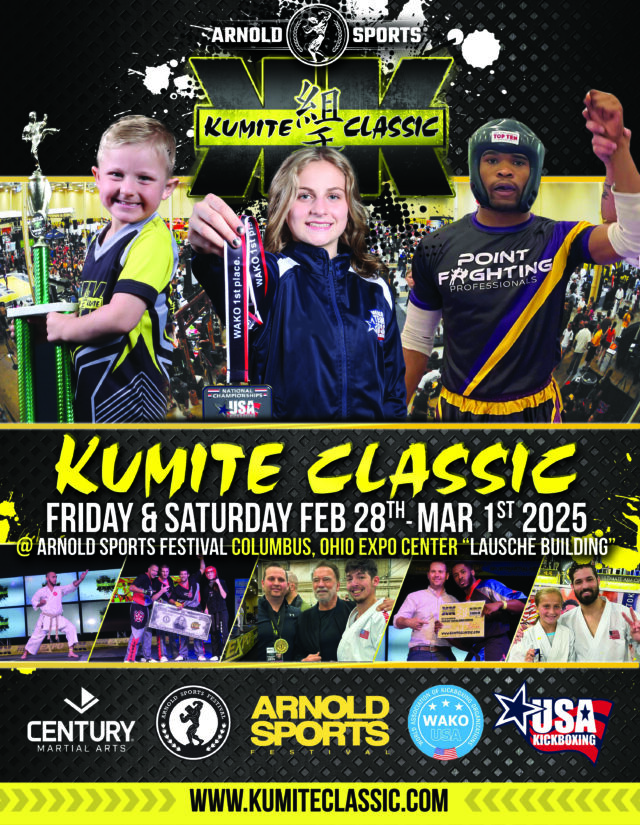
In 1999, Viola Jr. founded what would become the Kumite Classic, now one of the largest and most respected martial arts expos and tournaments in the United States.
Under his direction:
-
The Kumite Classic became a major WAKO-sanctioned event
-
It hosted national qualifiers, international teams, and world-class officials
-
Fighters from across the U.S. and abroad earned opportunities to advance to WAKO international competition
This event helped normalize WAKO rules and judging for American athletes — a huge step in aligning the U.S. with global kickboxing standards.
From Pittsburgh to the World Stage

What makes Bill Viola Jr.’s role unique is continuity.
-
His father helped invent regulated mixed fighting in America
-
Viola Jr. helped formalize and globalize sport kickboxing
-
His work bridged traditional karate, kickboxing, and modern combat sports governance
Through WAKO, Viola Jr. ensured that American fighters weren’t just tough — they were technically elite, internationally competitive, and professionally prepared.
Legacy in Motion: Gabby Viola
Today, WAKO stands on the verge of Olympic inclusion, and American kickboxing is stronger than ever within its structure. That didn’t happen by accident.
It happened because leaders like Bill Viola Jr. understood that:
-
Rules matter
-
Pathways matter
-
Credibility matters
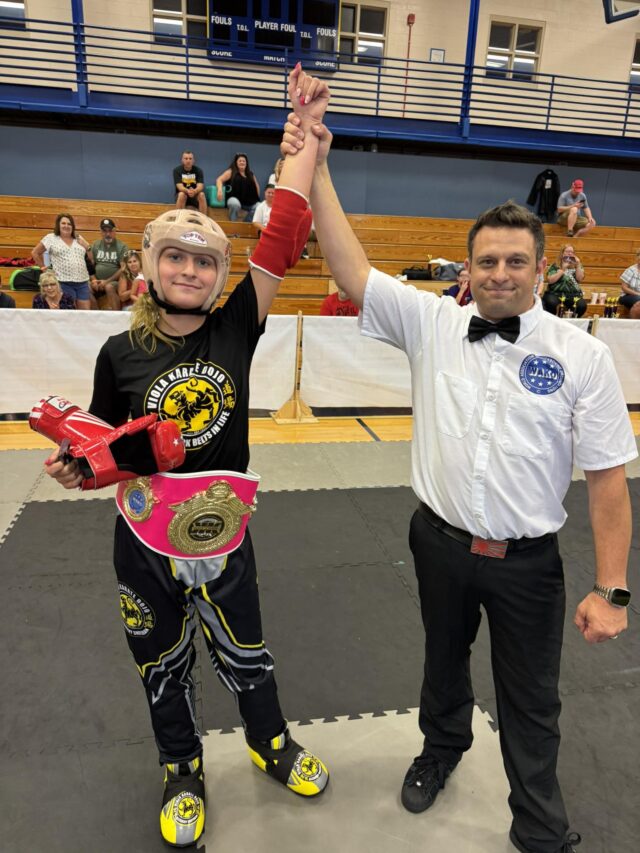
From Pittsburgh gyms to world championship podiums, his influence helped shape how kickboxing is practiced, judged, and respected — both at home and abroad. Gabby Viola, is carrying on the tradition as a WAKO USA National Champ[ion and WAKO Jr. World Champion Budapest, Hungary 2024.
The Tough Guys: A Radical New Fighting Concept
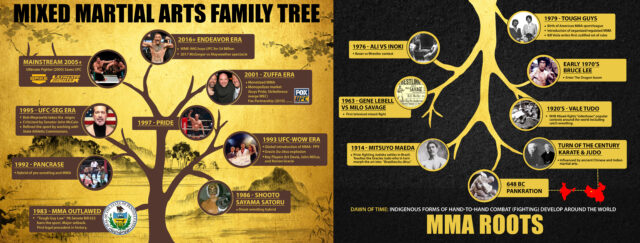
In 1979, Bill Viola Sr. partnered with promoter Frank Caliguri to form CV Productions, Inc., launching what would become known as the Tough Guy Contest. These events were revolutionary.
Unlike traditional kickboxing or boxing matches, the Tough Guy Contests allowed competitors from any fighting background to compete under a single rule set. Fighters could strike, clinch, grapple, and fight on the ground. Weight classes existed. Protective gear was used. Judges scored bouts. This was not chaos — it was regulated, organized, and years ahead of its time. Who invented MMA?
The first major event, The Battle of the Tough Guys, took place in March 1980 in New Kensington, Pennsylvania. What audiences witnessed was something the world had never truly seen: a structured version of what we now recognize as modern mixed martial arts.
Decades later, historians would acknowledge that these Pittsburgh events predated the UFC by more than a decade.
Kickboxing’s Role and the Influence of Jacquet Bazemore
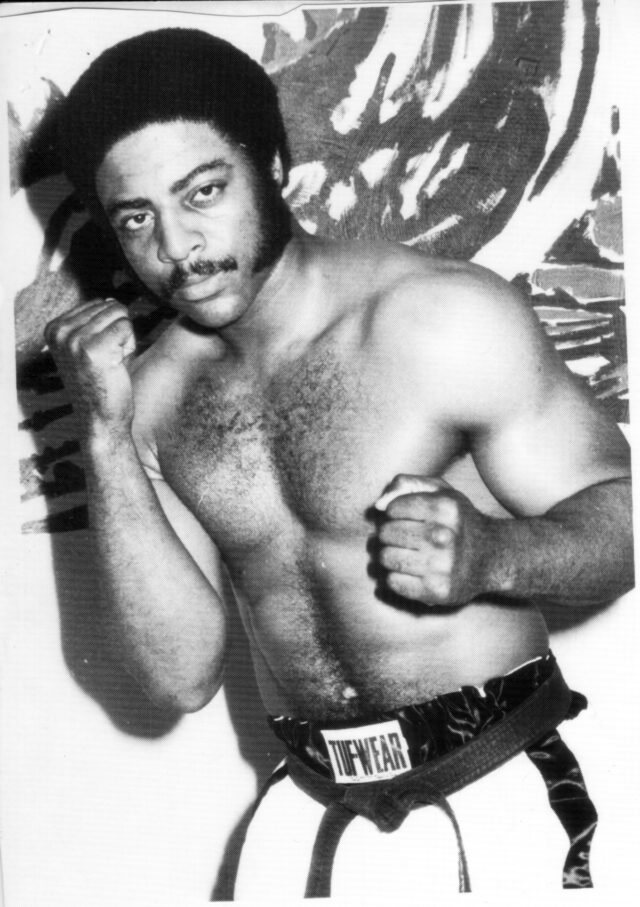
Kickboxing was a crucial component of Pittsburgh’s fight culture during this era, and Jacquet Bazemore stood out as one of its most respected figures.
A world heavyweight kickboxing champion, Bazemore was known for his power, athleticism, and technical striking. His credentials extended beyond the ring — he famously served as a sparring partner for Muhammad Ali, a testament to his elite skill level.
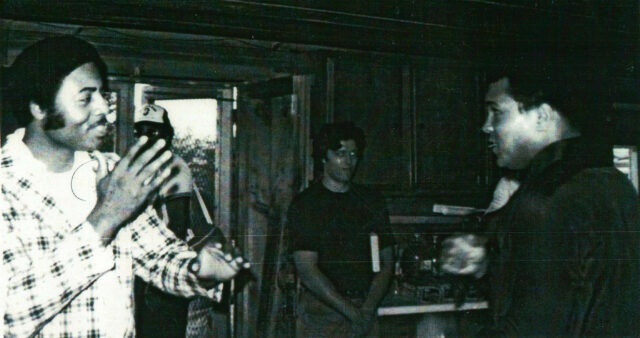
Bazemore trained within the same Pittsburgh fight circles as Viola and Caliguri and played a key role in the Tough Guy era as a referee. His presence brought legitimacy and professionalism to these early mixed-style bouts. As a kickboxer officiating contests that blended striking and grappling, Bazemore symbolized the transition from single-discipline combat sports to a truly mixed format.
Controversy, Confusion, and a Statewide Ban
Despite their innovation, the Tough Guy Contests were short-lived.
The name “Tough Guy” was often mistakenly lumped together with later “Toughman” boxing events, which caused confusion among regulators and the public. Political pressure mounted, and in 1981, CV Productions was forced to stop promoting events.
The fallout culminated in Pennsylvania Senate Bill 632 (1983), which outlawed Tough Guy contests and effectively banned mixed martial arts competition in the state. Ironically, Pennsylvania became the first state to ban a sport it had helped invent.
The law stalled MMA’s growth locally for decades. Pennsylvania would not legalize MMA again until 2009.
A Legacy Recognized
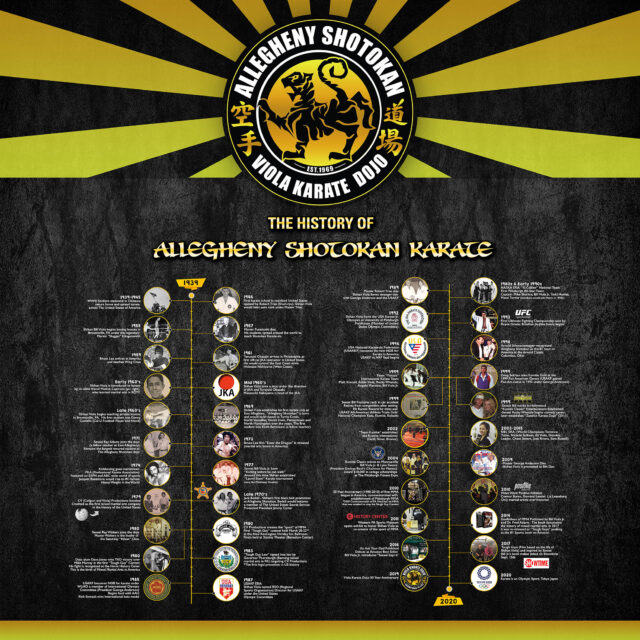
Though the Tough Guy era was brief, its influence was permanent.
Combat sports historians now recognize Pittsburgh as one of the true birthplaces of American MMA, with Bill Viola Sr. acknowledged as one of the sport’s earliest architects. The story has been preserved through documentaries, books, museum exhibits, and hall-of-fame inductions honoring the fighters, officials, and promoters of that era.
The legacy continues through Bill Viola Jr., who carried the family tradition forward as a world-class competitor, coach, author, and promoter. Through ventures like the Kumite Classic, he helped reconnect modern martial artists to Pittsburgh’s pioneering past — celebrating karate, kickboxing, and mixed disciplines under one banner.
Pittsburgh’s Lasting Impact on Combat Sports
From gritty dojos to groundbreaking fight cards, Pittsburgh played a decisive role in shaping how the world understands kickboxing and mixed martial arts today. The city’s fighters weren’t chasing trends — they were creating them.
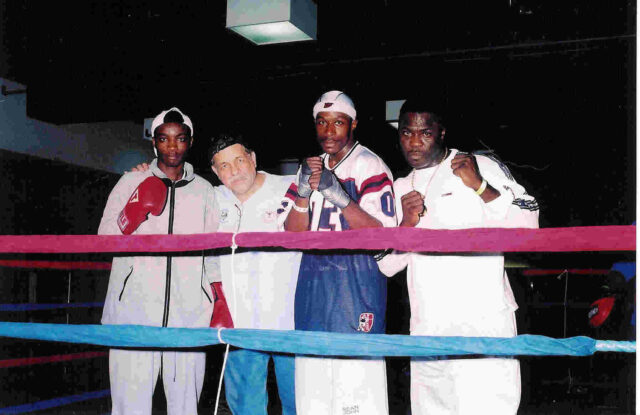
Bill Viola Sr.’s vision, the raw experimentation of the Tough Guy Contests, and the elite striking influence of athletes like Jacquet Bazemore combined to push combat sports into a new era — one that the rest of the world would only fully recognize years later.
Before MMA had a name, Pittsburgh already had the fight figured out.
Early Martial Arts in Pittsburgh & Bill Viola Sr.
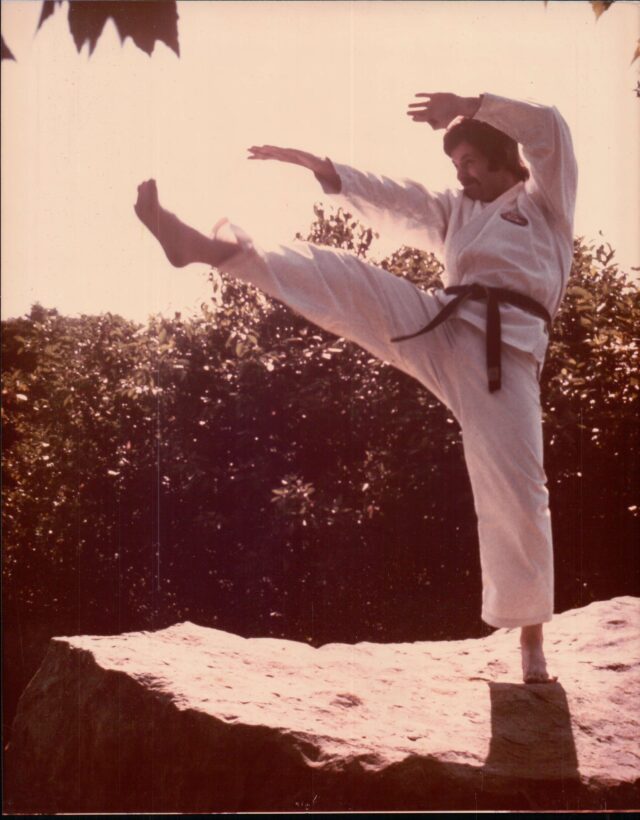
William “Bill” Viola Sr. is a central figure in Pittsburgh combat sports history. A martial artist and instructor, he founded Allegheny Shotokan Karate in Pittsburgh in 1969, one of the earliest and most influential dojos in Western Pennsylvania. The school emphasized traditional Shotokan karate but gradually expanded into full-contact karate and kickboxing, reflecting broader eastern martial arts trends coming to the U.S. in the 1970s. His dojo drew practitioners from diverse striking and grappling backgrounds, which helped lay the groundwork for full-contact mixed fighting.
Origins of the Tough Guy Contest (1979–1980)
In 1979, Viola Sr. teamed with Frank Caliguri to found CV Productions, Inc. in Pittsburgh — often cited as the first mixed martial arts (MMA) promotional company in the U.S.. They wrote a formal rulebook and created a new style of competition that allowed fighters with different combat backgrounds (karate, boxing, wrestling, kickboxing, etc.) to compete under unified rules.
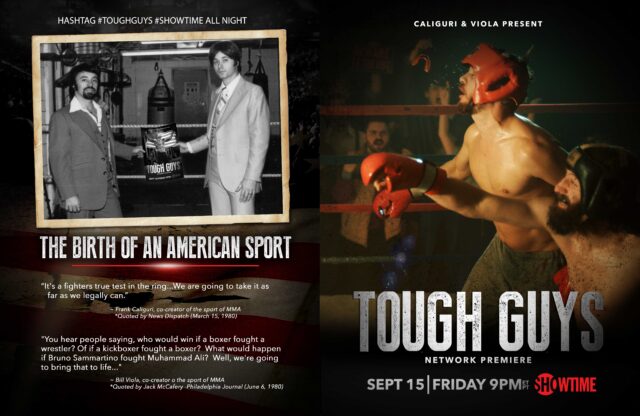
The first championship, known as the “Battle of the Tough Guys,” was held March 20–22, 1980 in New Kensington, Pennsylvania. Billed as “Anything Goes,” the bouts allowed striking, grappling, ground fighting, and submissions — a concept decades ahead of mainstream MMA like the UFC. Fighters competed in weight classes, with safety gear (headgear, gloves) and judges using a formal scoring system.
Although the promotion was often conflated with purely boxing “Toughman” events, the Tough Guys contests were distinct in scope and rules.
Jacquet Bazmore — Kickboxing & Refereeing
Jacquet Bazmore was a World Heavyweight Kickboxing Champion and an important part of the Pittsburgh scene. He trained at Viola and Caliguri’s martial arts schools and was a sparring partner for Muhammad Ali, underscoring his elite level in striking disciplines. Bazmore served as one of the referees in early Tough Guy events, bringing his kickboxing experience into what was essentially an early MMA rule set.
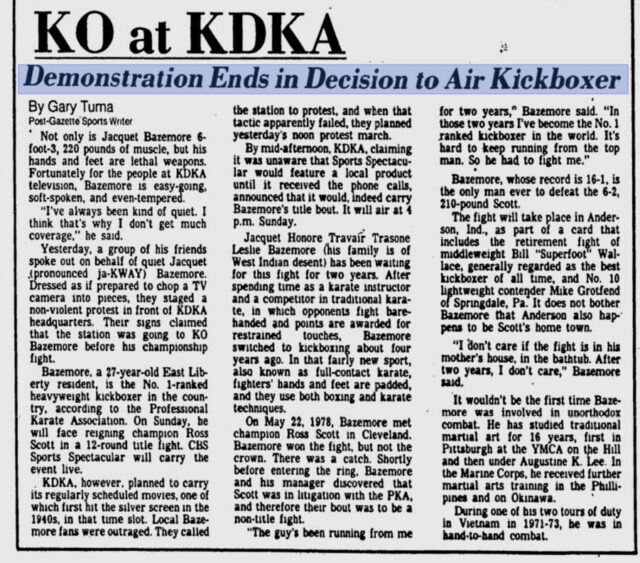
Through his role, Bazmore helped bridge traditional combat sports (like kickboxing) with newer mixed-style competition — legitimizing these events and adding skill diversity.
The Pennsylvania Ban & “Tough Guy Law”
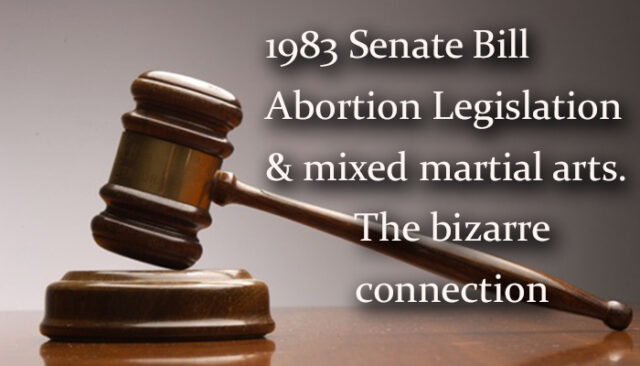
Despite early popularity and innovative format, the Tough Guy competitions faced regulatory scrutiny. The Pennsylvania State Athletic Commission and Attorney General’s office challenged CV Productions’ authority to run mixed-style fighting events. In 1981, the company was ordered to stop promotions. Then, following a Toughman boxing event death (unrelated to CV Productions), statewide pressure culminated in Pennsylvania Senate Bill 632 (1983), which outlawed Tough Guy contests and similar MMA events — the first legal ban of its kind in the U.S.
This law froze MMA in Pennsylvania for decades, until the sport was finally legalized again in 2009.
Legacy & Modern Recognition
Although the original Tough Guy contests were short-lived, their influence reverberates through modern combat sports:
-
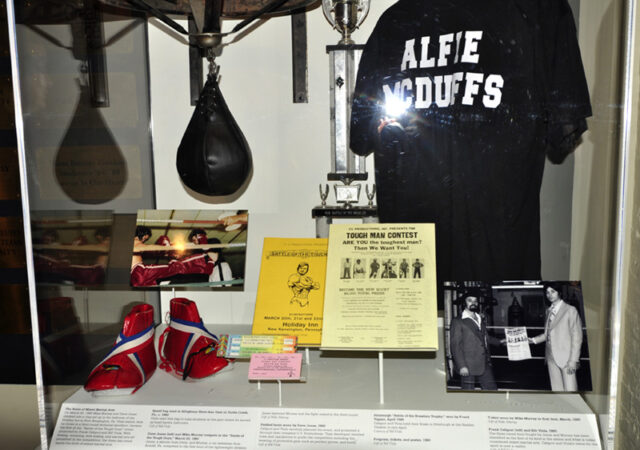
The Western Pennsylvania Sports Museum (Heinz History Center) recognizes the Viola legacy as part of the birth of mixed martial arts in the U.S.
-
The Pittsburgh MMA Hall of Fame (est. 2010) has honored competitors and pioneers from the original Tough Guy events.
-
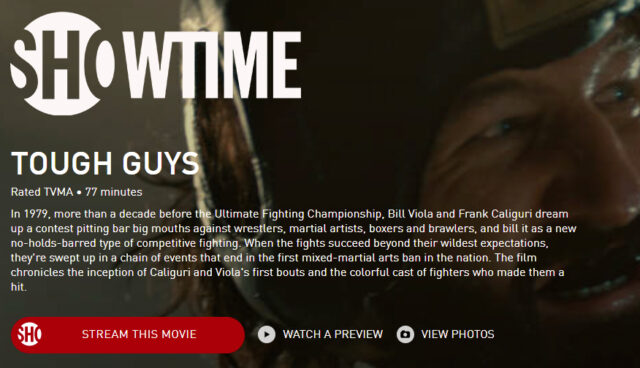
The SHOWTIME documentary Tough Guys and the book Godfathers of MMA recount this early history for a national audience.
Continuing the Tradition: Bill Viola Jr. & Beyond

Bill Viola Sr.’s son, Bill Viola Jr., carried forward the family’s martial arts influence. A champion martial artist and promoter, Viola Jr. founded Kumite Classic Entertainment in 1999 — a major martial arts and fitness event series in the Pittsburgh region that celebrates combat sports, including kickboxing, karate, and mixed disciplines.
His work, both as an athlete and promoter, helps bridge Pittsburgh’s pioneering Tough Guy era with the broader modern MMA and kickboxing world.
-
Bill Viola Sr. pioneered full-contact karate and helped invent regulated mixed martial arts in the U.S. with the Tough Guy Contest in 1979–1980.
-
Jacquet Bazmore, a world kickboxing champion, played a key role as a referee and martial arts figure in early Tough Guy events.
-
The Tough Guy Contest’s innovative format predated modern MMA by over a decade but was outlawed in Pennsylvania in 1983.
-
The legacy lives on through institutional recognition, storytelling (book/film), and continued martial arts promotion in Pittsburgh by descendants like Bill Viola Jr.